

Embrace the future of driving with the Kia Niro EV, the epitome of innovation and eco-friendly technology. Charging your Niro EV is simple, whether you’re at home or on the move. This comprehensive guide explores the ins and outs of keeping your vehicle powered up, ensuring you’re always ready to hit the road with minimal environmental impact.
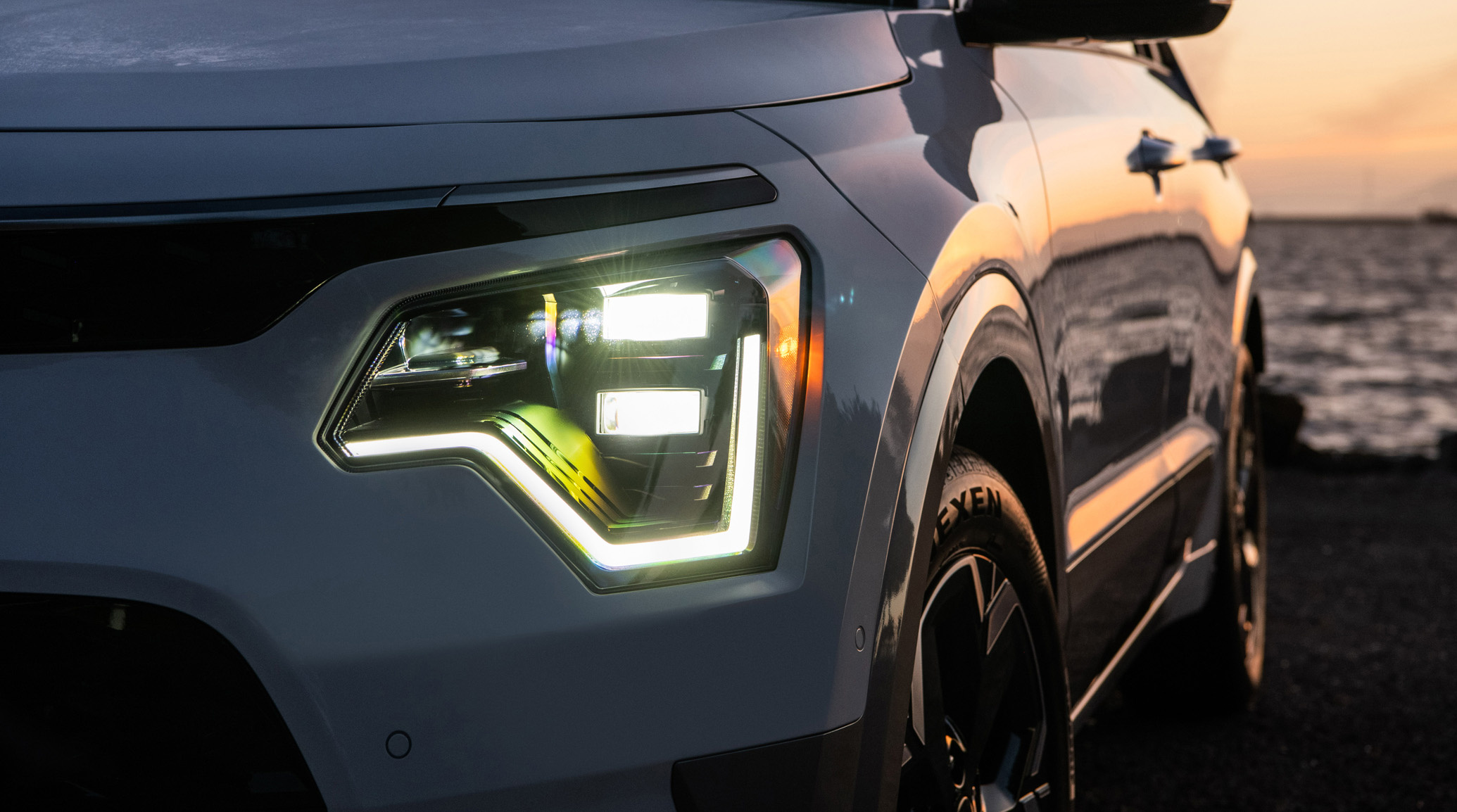
Home Charging: Simplicity and Convenience
Charging your Kia Niro EV at home not only offers unmatched convenience but also the peace of mind that comes with knowing your vehicle is always ready for your next journey. Level 1 charging is the most accessible form of charging, utilizing a standard household outlet. It’s perfect for overnight use, ensuring that even without a specialized setup, you can still enjoy the benefits of EV ownership. For those seeking faster charging times, Level 2 charging transforms the experience by significantly reducing charging duration, making it an ideal solution for those with higher daily mileage needs or less time to charge.
When considering the installation of a Level 2 charging station, it’s important to consult with a professional electrician to evaluate your home’s electrical capacity. This step is crucial to ensure that your infrastructure can safely accommodate the additional load. Additionally, exploring local regulations and potential incentives can help offset the initial costs, making the transition to electric driving more accessible.
On the Go: Keeping Your EV Charged Anywhere
Navigating the landscape of public EV charging is an essential aspect of electric vehicle ownership, offering the freedom to travel beyond the range of a single charge without the worry of running low on power. The key to successful on-the-go charging is familiarity with the available charging network infrastructure, including fast and ultra-fast charging stations strategically located along highways, in urban centers, and at key destinations like shopping malls and restaurants. These stations make it possible to recharge your Kia Niro EV quickly, often adding significant range in just minutes, which is especially useful during longer trips.
Adapting to the evolving nature of public charging networks involves staying updated with new locations and technologies. Many apps and navigation systems, including those integrated into your Niro EV, offer real-time information on station availability, charging speeds, and potential costs, making it easier to plan your charging stops efficiently.
Moreover, the experience of public charging can vary, with some stations providing amenities such as dining or shopping options, allowing you to make the most of your time while your vehicle charges. It’s also important to be prepared for different payment models, as charging networks may require membership, app download, or provide pay-as-you-go options. By understanding these nuances, you can ensure a smooth and convenient charging experience whenever you’re away from home.
Lastly, embracing the etiquette of public charging, such as sharing access to chargers and ensuring you disconnect and move your vehicle once charging is complete, fosters a positive community among EV drivers. This collective respect ensures that the infrastructure serves the needs of all users effectively, promoting the continued growth and convenience of electric vehicle travel.
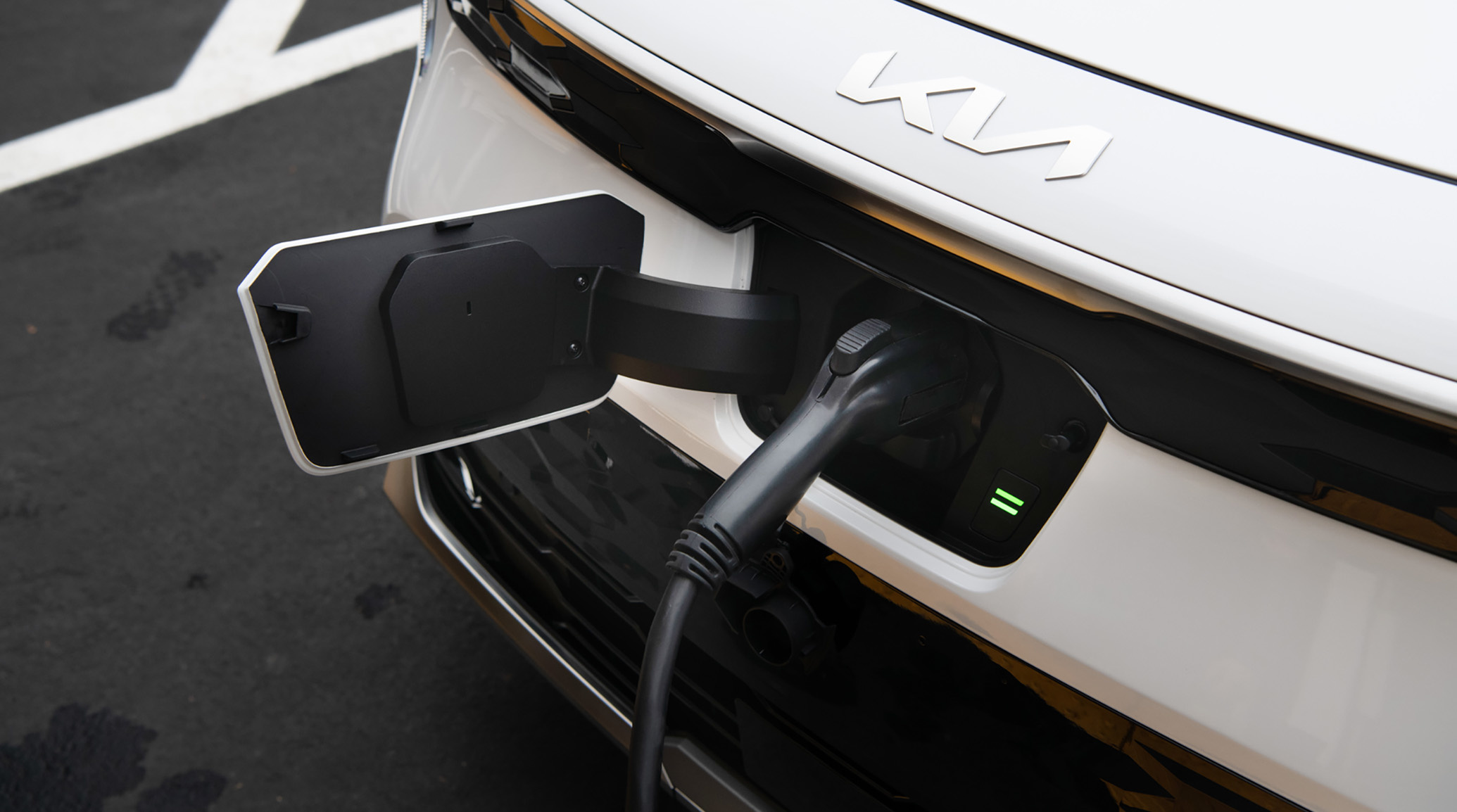
Costs of Charging
Understanding the costs associated with charging your Kia Niro EV is crucial for both budgeting and maximizing the economic benefits of electric vehicle ownership. While home charging is generally seen as the most cost-effective method, leveraging off-peak electricity rates can further reduce expenses. Many utility companies offer special rates for EV owners, encouraging charging during times of low demand, typically overnight. This not only benefits your wallet but also helps in balancing the grid load, contributing to a more sustainable energy system.
Public charging presents a different scenario, with costs varying widely based on the network, location, and charging speed. Fast and ultra-fast public chargers offer convenience and speed at a premium, making them ideal for long-distance travel rather than daily use. Understanding the pricing structure of different networks, such as per-minute, per-kWh, or session-based fees, can help you choose the most cost-effective option when you need to charge on the go.
Click here to contact us regarding the exciting new Kia Niro lineup.
Moreover, the transition to EVs often includes evaluating total cost of ownership, which not only encompasses the cost of the vehicle and charging but also lower maintenance costs compared to internal combustion engine vehicles. This can reveal the true economic benefits of driving a Niro EV, emphasizing the long-term savings on fuel and maintenance, despite the initial higher upfront cost of the vehicle and charging setup.
By strategically managing when and where you charge your Kia Niro EV, you can significantly reduce the cost per mile compared to gasoline vehicles, further enhancing the appeal of electric mobility. Keeping informed about local incentives, utility programs, and charging network promotions can also contribute to reducing the overall costs of EV ownership.
Maximizing Battery Health
Maximizing the health of your Kia Niro EV’s battery is crucial for maintaining its range, performance, and longevity. Regularly monitoring and managing your charging habits can significantly impact the battery’s lifespan. It’s advisable to avoid frequent charges to 100% capacity unless necessary for long trips. Charging up to 80% for daily use is a recommended practice to reduce stress and wear on the battery. This strategy helps in maintaining the battery’s health over time, ensuring that the vehicle continues to deliver optimal performance.
Additionally, the environment in which the Niro EV is charged and stored can affect battery health. Extreme temperatures, both hot and cold, can be detrimental to battery efficiency and longevity. Whenever possible, parking and charging in temperature-controlled environments can help mitigate these effects. Using the vehicle’s preconditioning system, if available, can also prepare the battery and cabin temperature ahead of time, reducing the energy required from the battery to heat or cool the vehicle when starting a trip.
Click here to see our Kia Niro Inventory
Modern electric vehicles, including the Kia Niro EV, are equipped with advanced battery management systems (BMS) that actively monitor and adjust the battery’s condition to optimize its performance and health. The BMS ensures that the battery operates within safe temperature and charging levels, further enhancing its lifespan.
Understanding and leveraging these practices and features can help Niro EV owners maximize their vehicle’s battery health, ensuring that it remains a reliable and efficient mode of transportation for years to come. Keeping abreast of the latest battery care tips and technologies can also provide additional insights into effective battery maintenance strategies.

Conclusion
The Kia Niro EV offers a compelling blend of efficiency, convenience, and environmental sustainability. By understanding and leveraging the various charging options available, drivers can enjoy the full benefits of electric mobility with ease. Whether charging at home or utilizing public charging networks, the key to a seamless EV experience lies in planning, understanding the associated costs, and adopting practices that ensure battery health. As the EV landscape continues to evolve, the Kia Niro EV stands as a testament to accessible and sustainable driving solutions.
Click here to see our Kia Niro Inventory
Connect with us


- August 2026
- July 2026
- June 2026
- May 2026
- April 2026
- December 2025
- November 2025
- October 2025
- September 2025
- August 2025
- July 2025
- June 2025
- May 2025
- April 2025
- March 2025
- February 2025
- January 2025
- December 2024
- November 2024
- October 2024
- September 2024
- August 2024
- July 2024
- June 2024
- May 2024
- December 2023
- November 2023
- October 2023
- September 2023
- August 2023
- July 2023
- June 2023
- May 2023
- April 2023
- March 2023
- February 2023
- January 2023
- December 2022
- November 2022
- October 2022
- September 2022
- August 2022
- July 2022
- June 2022
- May 2022
- April 2022
- March 2022
Archives
- 2024 Kia EV6
- 3-Row Seating
- Auto Financing
- Car Financing
- Car Leasing in Mentor
- Day Trips
- Electric Vehicles
- EV Market
- Family Friendly Vehicles
- Family Fun in Mentor
- Holidays In Mentor
- Ken Ganley Kia Mentor
- Ken Ganley Kia Mentor Service
- Kia Brake Repair
- Kia Carnival
- Kia EV6
- Kia EV9
- kia forte
- Kia K5
- Kia Niro
- Kia Seltos
- Kia Sorento
- Kia Soul
- Kia Sportage
- Kia Telluride
- Kirtland Hills Kia Dealer
- Kirtland Hills Kia Service
- Kirtland Hills Used Cars
- Mentor Amenities
- Mentor Foodies
- Mentor Kia Dealer
- Mentor Living
- Mentor Restaurants
- Mentor Used Cars
- Midsize Sedan
- Ohio Traveling
- Spacious Vehicles
- Things to Do in Mentor
- Tires in Mentor OH
- Uncategorized
- Versatile Vehicles
Categories
 Warranties include 10-year/100,000-mile powertrain and 5-year/60,000-mile basic. All warranties and roadside assistance are limited. See retailer for warranty details.