

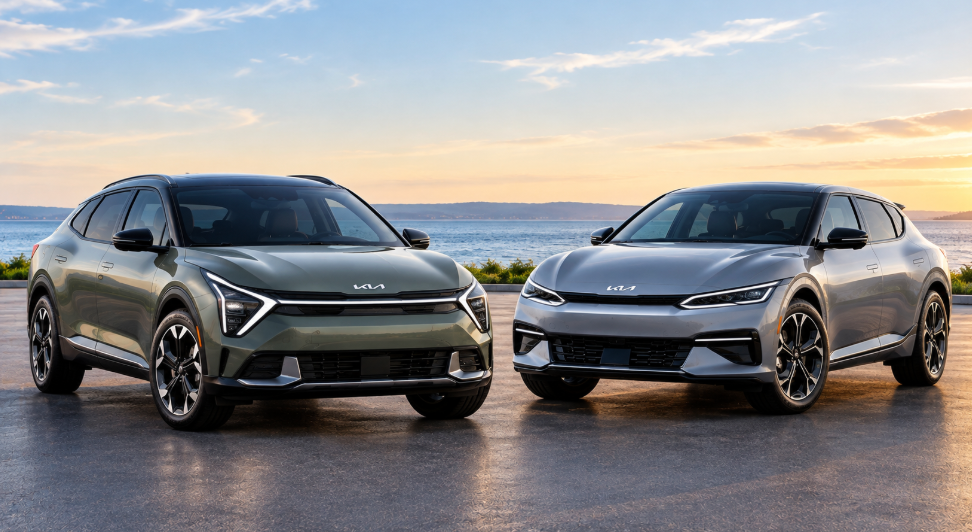
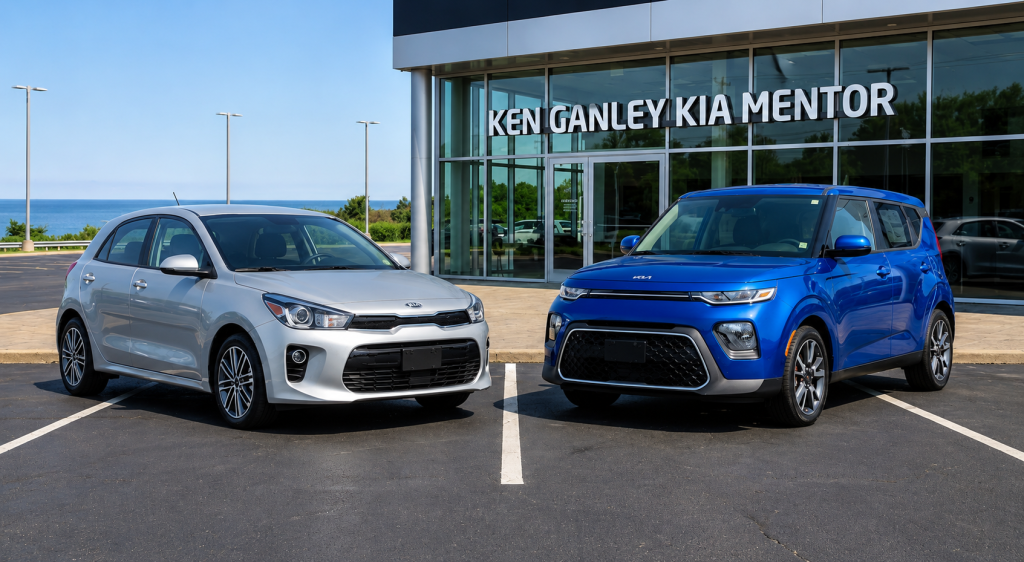
Trading in a car used to mean bracing yourself for a lowball offer and an afternoon lost to paperwork. That reputation is exactly why so many people dread it, and exactly why a straightforward, no-games trade-in process stands out. For a lot of Mentor drivers, that's become the reason they start their next car search at Ken Ganley Kia. Whether you're upgrading to a new EV9, moving into a certified pre-owned Sportage, or just want to sell your current car outright, the trade-in is where the whole deal either feels fair or feels frustrating. Here's why local drivers keep choosing Ken Ganley Kia Mentor to handle theirs. You Get a Free, Fast Appraisal With No Surprises The process starts with a free vehicle appraisal, and that word "free" is doing real work here. You fill out a quick online form describing your car, and Ken Ganley Kia Mentor gives you a value based on real market data, not a number pulled out of thin air. What makes it genuinely useful is the honesty built into the tool. It grades your car by real condition, from excellent down to poor, and explains exactly what each grade means, so you walk in with a realistic expectation instead of a fantasy number that gets slashed at the desk. That transparency upfront is what separates a good trade-in experience from the old-school runaround. For a Mentor driver, that means you can get a ballpark figure from your couch before you ever drive to the dealership, then have it confirmed in person. No wasted trips, no bait-and-switch. You Don't Even Have to Buy a Car to Sell Yours Here's the part a lot of people don't realize: Ken Ganley Kia Mentor will buy your car outright, even if you're not buying one from them. Their sell my car option means you can cash out your vehicle without being pressured into a purchase. That's a genuine convenience for Mentor drivers. Selling privately means listing photos, fielding sketchy messages, meeting strangers in parking lots, and handling title paperwork yourself. Trading or selling to the dealership collapses all of that into one appointment, they handle the paperwork while you handle the rest of your day. And if you do decide to roll the value into something new, you've got options: put it toward a brand-new Kia, apply it to a certified pre-owned model, or simply take the cash. Flexibility is the whole point. Trading In Can Actually Save You Money at Tax Time This is the benefit most people overlook, and it's a real one. In Ohio, when you trade in a vehicle, you typically only pay sales tax on the difference between your new car's price and your trade-in value, not the full sticker price. On a meaningful trade, that tax savings can add up to hundreds or even thousands of dollars, money you simply don't get selling privately. Combine that with using your trade as a down payment, which lowers your loan amount and your monthly payment, and the financial case for trading in gets strong fast. For a budget-conscious Mentor family, those two advantages together, lower taxes and a smaller monthly payment, often make trading in the smarter financial move even if a private sale might fetch slightly more on paper. Local Trust Is the Quiet Reason People Come Back Numbers and tools matter, but so does dealing with a name you know is staying put. Ken Ganley Kia Mentor sits at 9090 Mentor Ave., serving Mentor, Willoughby, Euclid, Chesterland, and the surrounding communities, and it's part of one of the largest, most established automotive groups in Ohio. That local footprint matters more than it sounds. A dealership rooted in the community has every reason to treat your trade fairly, because it's counting on you coming back for your next car, your service, and your family's cars down the road. It's a relationship, not a one-time transaction, and that changes how the whole experience feels. It also means backup. If you trade into a certified pre-owned Kia, you're covered by a 10-year/100,000-mile powertrain warranty and a CARFAX history report, the kind of peace of mind a Craigslist deal can never offer. Frequently Asked Questions How do I find out my trade-in value at Ken Ganley Kia Mentor Use the free online trade appraisal tool on their website. You enter your vehicle's details and condition, and you'll receive a market-based value you can then confirm in person at the dealership. Can I sell my car without buying a new one Yes. Ken Ganley Kia Mentor buys vehicles outright, so you can sell your car for cash without being required to purchase anything from them. Does trading in my car save on sales tax in Ohio Generally yes. In Ohio you typically pay sales tax only on the price difference between your new vehicle and your trade-in value, which can save you a significant amount versus selling privately. What can I do with my trade-in value You can apply it as a down payment toward a new Kia, put it toward a certified pre-owned vehicle, or take it as cash if you're selling outright. Do I need an appointment to get my car appraised You can start online anytime with the free appraisal form, then visit the dealership to finalize the value. Calling ahead is a good idea if you want to line up a specific time. Start Your Trade-In From Your Couch Today The easiest first step costs you nothing and takes about two minutes: get a real number on your current car before you shop. Once you know what your vehicle is worth, the rest of the decision gets a whole lot clearer. See what your car is worth and browse your options at Ken Ganley Kia Mentor, then call 440-953-1000 or stop by 9090 Mentor Ave. to lock in your offer.
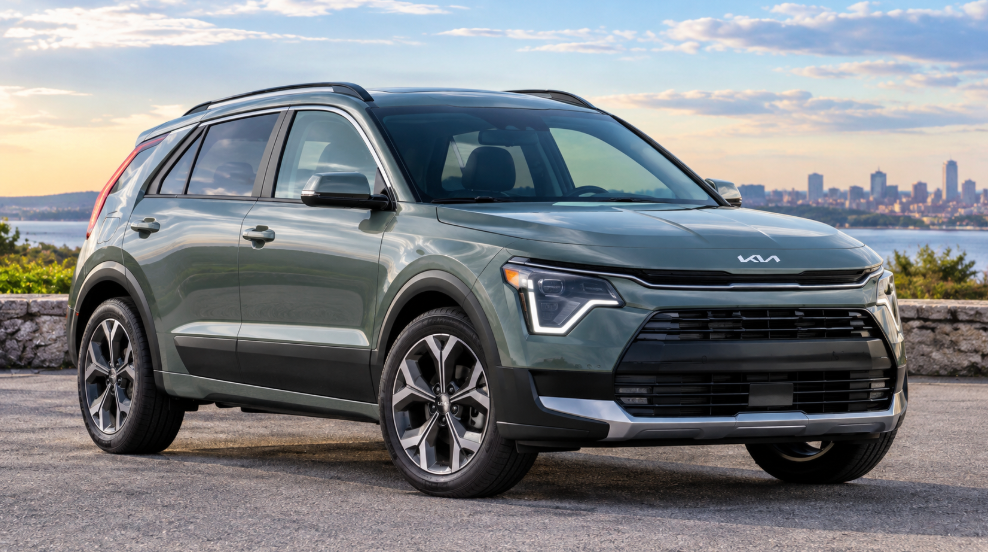
How the Kia Niro Hybrid Helps Mentor Ohio Drivers Save Big on Fuel Every Month
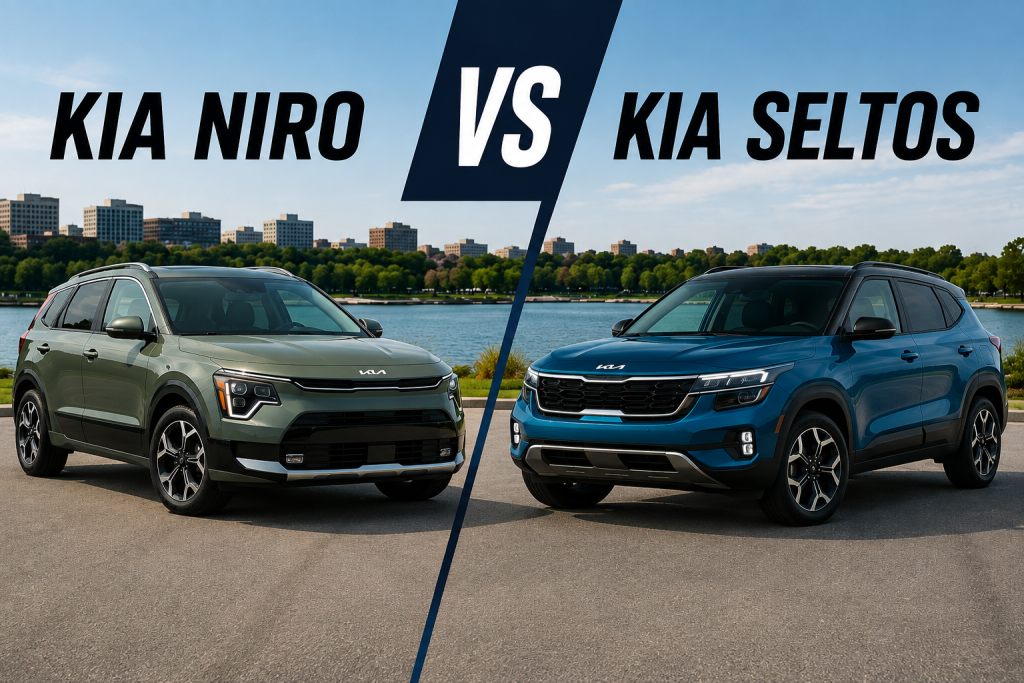
Think about the last time you filled up and winced at the total. Now imagine cutting that number roughly in half, every single month, without changing a thing about where you drive. That's the everyday reality of owning a Kia Niro Hybrid, a compact crossover that squeezes an EPA-estimated 53 miles out of a gallon in the city and never asks you to plug it in. For Mentor drivers watching gas prices bounce around, the Niro isn't flashy, but it's quietly one of the smartest money-savers on the road. Here's exactly how those savings add up, month after month. The Fuel Math That Actually Matters Let's start with the number that does the work: 53 mpg city and up to 54 mpg highway, for a combined rating around 50 mpg. Compare that to a typical gas crossover returning the high-20s, and the Niro is sipping roughly half the fuel to cover the same miles. Here's what that means for a real Mentor budget. Say you drive 1,000 miles a month between commuting, errands, and school runs. A 28-mpg crossover burns about 36 gallons to do it; the Niro Hybrid needs closer to 20. At current pump prices, that difference adds up to real money saved every month, and it keeps saving for as long as you own the car. Over a year, those skipped gallons can total hundreds of dollars back in your pocket. Over five years of ownership, the fuel savings alone can offset a meaningful chunk of the car's cost. The Niro doesn't just feel efficient, it pays you back on a schedule you can actually see on your bank statement. No Plugging In, No Range Anxiety, No Hassle Here's the part that makes the Niro Hybrid so easy to live with: you never have to charge it. Unlike a plug-in hybrid or an EV, the standard Niro Hybrid is a Full Parallel Hybrid, which means its electric motor generates and stores its own power as you drive, braking and coasting quietly top off the battery automatically. For a lot of Mentor drivers, that's the sweet spot. You get big electrified fuel savings without installing a home charger, without hunting for charging stations, and without a shred of range anxiety on a longer haul to Columbus or Cincinnati. You just fill up at any gas station, far less often than before, and go. It also uses a conventional six-speed automatic rather than the droning CVT many hybrids rely on, so it drives like a normal, refined car. There's no learning curve and no lifestyle change required. The savings happen in the background while you drive exactly the way you always have. Built to Save in Ohio Weather, Too Fuel economy is only real if it holds up in the conditions you actually drive in, and that's worth an honest word for Northeast Ohio. Every hybrid, the Niro included, sees some efficiency dip in deep winter cold, as the gas engine works harder to warm up on those frigid Chardon-area mornings. The good news is that the Niro's hybrid system is designed to recover quickly, and even with a modest cold-weather dip, it still dramatically outsaves a conventional gas crossover all winter long. Its heated front seats and heated steering wheel, available on higher trims, also let you stay comfortable while leaning less on the cabin heater, which helps preserve efficiency. One honest trade-off to know: the Niro Hybrid is front-wheel drive only, with no all-wheel-drive option. A good set of winter tires handles most Mentor winters just fine, but if AWD is a must-have for you, a Kia Sportage Hybrid is the better fit. For pure fuel savings, though, the Niro is the champion of the lineup. Why Mentor Drivers Buy the Niro at Ken Ganley Kia Beyond the car itself, where you buy it shapes how much you ultimately save. Ken Ganley Kia Mentor keeps a wide selection of Niro Hybrids in stock and runs seasonal lease and finance promotions that can lower the entry cost, the kind of deals that, stacked on top of the monthly fuel savings, make the Niro genuinely affordable to own. The dealership's hybrid and EV advisors are trained specifically to walk you through efficiency numbers, trim differences, and any incentives you may qualify for, so you're not guessing. You can browse the full Kia hybrid lineup to compare the Niro against the Sportage and Sorento hybrids, or check current new vehicle specials to see what's available this month. Either way, the Niro's monthly fuel savings start the day you drive it home. Frequently Asked Questions How many miles per gallon does the Kia Niro Hybrid get The Niro Hybrid earns an EPA-estimated 53 mpg in the city and up to 54 mpg on the highway, for a combined rating around 50 mpg, among the best in its class. Do you have to plug in the Kia Niro Hybrid No. The standard Niro Hybrid is a self-charging Full Parallel Hybrid, so it never needs to be plugged in. The Niro Plug-In Hybrid and Niro EV are separate models that do charge. How much can I save on fuel with a Niro Hybrid It depends on your mileage, but driving about half the fuel of a typical gas crossover can save higher-mileage Mentor drivers hundreds of dollars a year, often offsetting a big chunk of ownership cost over time. Does the Kia Niro Hybrid come with all-wheel drive No. The Niro Hybrid is front-wheel drive only. If you want all-wheel drive for Ohio winters, the Kia Sportage Hybrid is the better option, though it sacrifices a little fuel economy. Is the Niro Hybrid good in winter Yes, with winter tires. Like all hybrids it sees a small efficiency dip in deep cold, but it still saves significantly on fuel year-round compared to a conventional gas vehicle. Start Saving at the Pump This Month The best part about the Niro Hybrid is that the savings aren't a someday promise, they begin with your very first tank. If cutting your monthly fuel bill sounds good, it's worth seeing how quickly the math works in your favor. Explore the Niro Hybrid lineup at Ken Ganley Kia Mentor on Mentor Avenue and find the one that fits your budget.
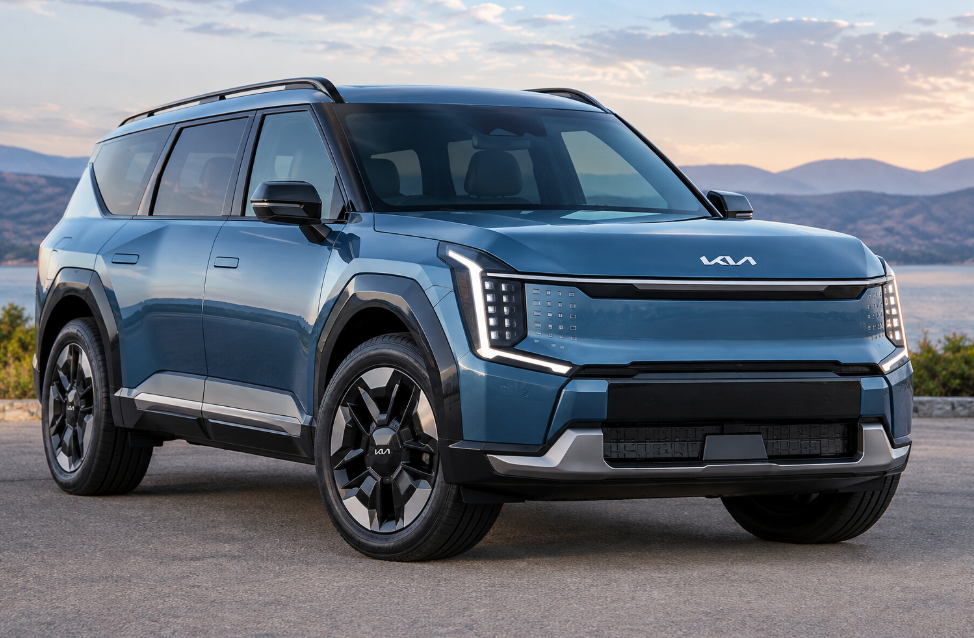
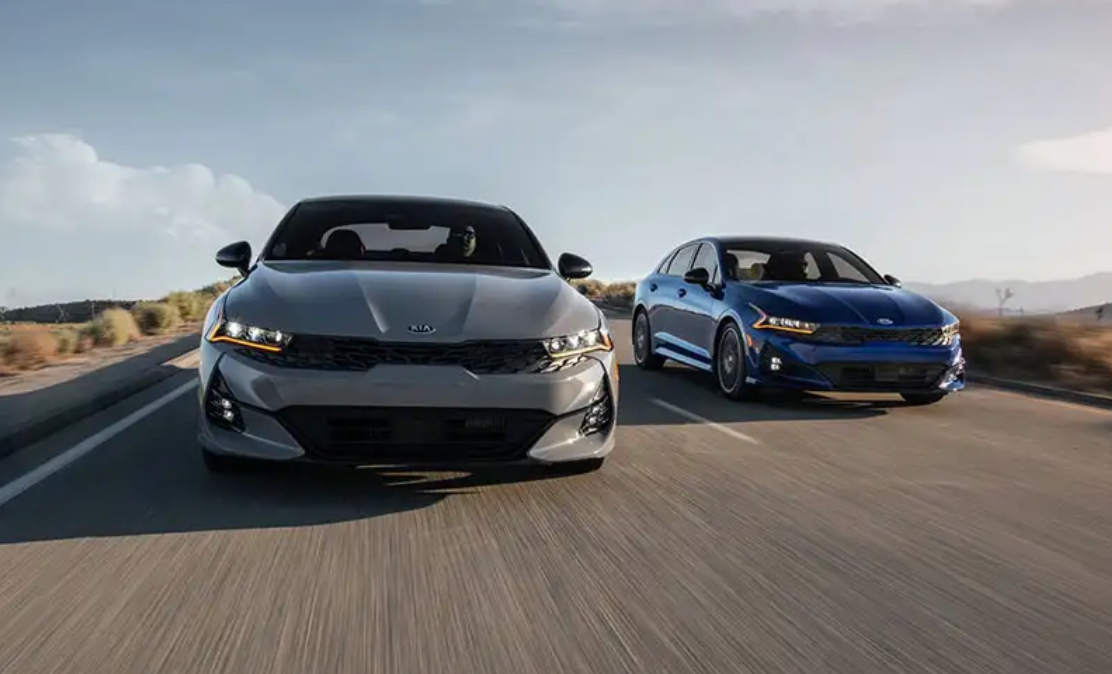


 Warranties include 10-year/100,000-mile powertrain and 5-year/60,000-mile basic. All warranties and roadside assistance are limited. See retailer for warranty details.