
Today: 9:00AM - 8:00PM
Blog

Is the 2025 Kia Niro Plug-In Hybrid Right for Your Ohio Commute?

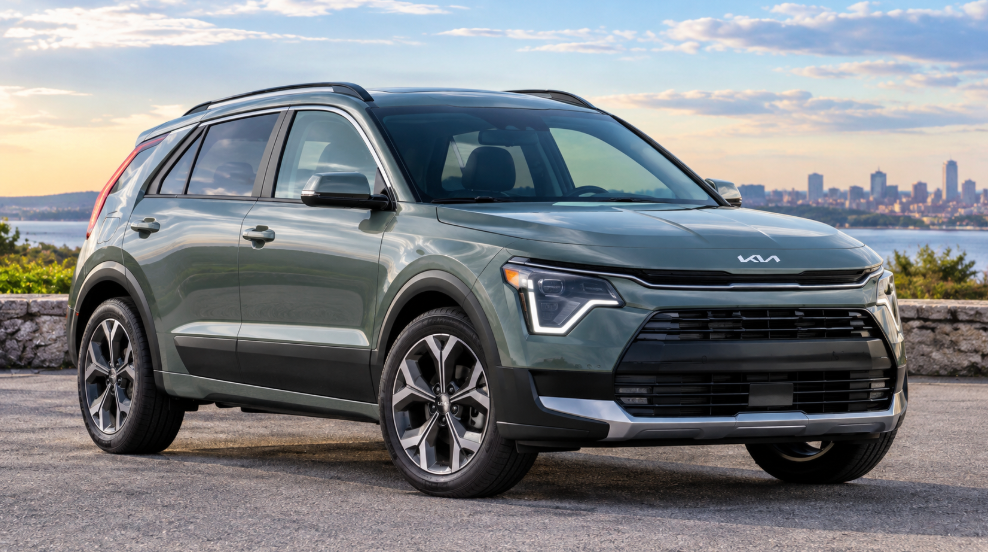
Commuting in Ohio presents unique challenges, from varying weather conditions to diverse urban and rural landscapes. Selecting a vehicle that offers efficiency, versatility, and reliability is crucial for a comfortable and cost-effective daily drive. The 2025 Kia Niro Plug-In Hybrid (PHEV) emerges as a compelling option, blending the benefits of electric driving with the flexibility of a hybrid system. But is it the right choice for your Ohio commute? 

Click here to explore the latest 2025 Kia Niro PHEV for your holiday travels   

Understanding the 2025 Kia Niro Plug-In Hybrid 

Imagine starting your morning commute in electric mode, the drive nearly silent as you glide through your neighborhood, leaving behind nothing but the faint hum of innovation. The 2025 Kia Niro Plug-In Hybrid is a compact crossover that seamlessly combines a gasoline engine with an electric motor.    

This dual-power setup offers not just convenience, but a newfound sense of freedom. Commuters who once worried about finding charging stations on long drives can now enjoy the reliability of a hybrid system, while still embracing the benefits of electric power for short trips. The Niro PHEV’s carefully calibrated transition between modes ensures the journey feels seamless, so drivers never notice the shift from electric to hybrid power. 

Key Features and Specifications 

It’s still early to talk about the Kia Niro PHEV specifications, but we know it’s powered by a 1.6-liter four-cylinder engine and an electric motor, which together achieves around 180 horsepower. The immediate supply of torque from the electric motor is useful for occasions when instant acceleration is required, such as during the start at a stoplight or when it merges into traffic.   

The Niro, however, also provides various other high-end engineering design features that are enjoyable while on the road. Not only does the car improve efficiency, but it also enhances the vehicle’s aerodynamic shape, which lowers cabin wind noise for a quieter space. Whether it’s a quick errand run, a road trip over the weekends, or a casual Sunday ride. With every ride in Niro PHEV, every engineering aspect has been used to make it work for your convenience.

Electric Range and Fuel Efficiency 

Picture yourself driving out of your driveway every morning, and you are in one of those days, no electric charging, only electric commuting. These types of vehicles even cater to families with tight schedules. With this vehicle, it has an ideal all-electric range of approximately 33 miles, which is adequate for short commutes or even running errands. For instance, running errands, such as picking the kids from practice or grabbing groceries, can be done without burning a single drop of fuel.   

When it comes to longer commutes, the hybrid model of this vehicle boasts impressive fuel efficiency, with an EPA estimated of 108 MPGe in electric mode and 46 mpg combined in hybrid mode. This versatility allows motorists to look forward to long road trips or extended travels, without the anxiety of frequent breaks or high fuel prices. Plus, with a quick and seamless switch between modes whenever necessary, you can always count on optimal performance and savings at the pump

Charging Capabilities 

The 2025 Kia Niro PHEV makes charging simple and convenient. Traveling back into your driveway on a windy day requires many to wonder, is there anything easier than plugging your car into a home charger and going to bed with the comfort that it will be charged for you by the morning? While the Niro only needs about 2.5 hours with a Level 2 (240V) charger, making it convenient for overnight charging or a quick boost during the day. As electric vehicles become more popular, public chargers are increasingly being found in towns across Ohio by more people.  

In addition to the convenient automatic variable that enhances the driving experience, the Niro PHEV also boasts intelligent charging functions that make it stand out from other vehicles. Off-peak times allow consumers to use their electric vehicle more efficiently and at a much cheaper rate, lowering carbon emissions. For users who don’t enjoy going out in winter while looking at the vehicle’s battery level, the ability to check the charging status of the car all from your phone provides even more comfort, saving the driver the trouble of having to go outside in the chilly breeze. 

Cost and Incentives 

With its hybrid system and electric capability, the Niro PHEV drastically cuts down on trips to the gas station, leading to huge savings over the life of the car. The price of the base EX trim is approximately $33,640, while the top SX Touring trim costs roughly $36,940, with the 2025 Kia Niro PHEV starting at around these price points. Yes, this price is higher than a gas car, but with such a significant fuel economy and less maintenance requirements, these vehicles ultimately save you more than a gas car.   

Whether you are looking to save money, reduce your carbon footprint, or both, this vehicle offers an impressive return on investment. With federal and state incentives for plug-in hybrid vehicles, this further improves the affordability of the Niro PHEV. Drivers can qualify for tax credits, rebates or reduced registration fees, making the transition to an environmentally friendly vehicle even more attractive. Combine these benefits with lower annual operating costs, an electric vehicle becomes a wise investment for cost-conscious commuters.  

Click here for directions to our showroom and test drive the latest Niro today!  

Conclusion 

As we’ve explored, this vehicle offers a practical solution for those who want to reduce their carbon footprint without compromising performance or comfort. Its blend of innovation, affordability, and reliability ensures it’s a worthwhile investment for drivers looking to make their daily drives smarter and greener. Making the 2025 Kia Niro Plug-In Hybrid is a standout choice for Ohio commuters seeking a versatile, efficient, and environmentally friendly vehicle.  

With advanced features like state-of-the-art infotainment, robust safety technology, and exceptional fuel efficiency, the Niro PHEV is built to handle Ohio's unique commuting demands, from seasonal weather shifts to diverse road conditions. Its impressive electric range makes it ideal for shorter trips, while the seamless transition to hybrid mode ensures peace of mind on longer drives. Our team is here to help you explore this incredible hybrid crossover and answer any questions you have. If you’re ready to experience the latest hybrid vehicles, call us at (440) 953-1000 or visit Ken Ganley Kia Mentor today.
Recommended Posts

Kia Seltos vs Hyundai Tucson: The Better Compact SUV for Mentor Ohio Buyers

Here's something most comparison articles won't tell you upfront: the Kia Seltos and Hyundai Tucson aren't actually the same size. Shoppers cross-shop them all the time because the prices overlap, but the Tucson is a full compact SUV while the Seltos is a smaller, subcompact one, nearly a foot shorter end to end. That size gap is the whole story here. The Kia Seltos is the nimble, efficient, budget-friendly pick, while the Tucson is bigger, more powerful, and pricier. So the real question for Mentor buyers isn't which is "better," it's which size and price fit your life. Quick Answer: Choose the Kia Seltos if you want a lower price (mid-$20,000s), better fuel economy, easier parking, and available all-wheel drive for less money. Choose the Hyundai Tucson if you want more cargo space, more passenger room, and stronger power, and don't mind paying several thousand more to get it. For value-focused Mentor buyers, the Seltos usually wins; for families needing max space, the Tucson makes the case. They're Not Actually the Same Size This is the difference that drives everything else. The Tucson measures about 182.7 inches long, while the Seltos comes in around 172.6, roughly ten inches shorter. That's not a rounding error, it's a genuine class gap. Those ten inches show up everywhere. The Tucson offers noticeably more rear legroom and a much bigger cargo hold, about 38.7 cubic feet behind the back seats versus the Seltos's 26.6. For a growing Mentor family loading strollers, hockey bags, and a Costco run all at once, the Tucson simply holds more. The flip side is that the Seltos is easier to live with in tight spots. Squeezing into a snug spot in downtown Willoughby or a packed lot at Great Lakes Mall is simpler in the smaller Kia, and its shorter body makes it feel more nimble around town. If you rarely fill a cargo area to the roof, the Seltos's size is a feature, not a compromise. Which One Costs Less to Buy and Own The Seltos wins this round clearly, and it's not close. It starts in the mid-$20,000s, while the 2026 Tucson starts around $32,550, a gap of roughly $5,000 to $8,000 depending on trim. That price difference is the Seltos's strongest argument. For many Mentor buyers, five to eight thousand dollars is the deciding factor, full stop. It buys a lot of gas, winter tires, or simply a lower monthly payment. The Seltos also sips a bit less fuel, landing around 31 mpg combined against the Tucson's 26, thanks to its lighter body and smaller footprint. Over a year of commuting from Mentor to Cleveland, that efficiency edge quietly adds up. Both come backed by strong warranties, but Kia's 10-year/100,000-mile powertrain coverage is a genuine peace-of-mind bonus that's worth factoring in. If you want to dig deeper into how the two brands stack up, our Kia vs Hyundai breakdown covers it in more detail. Where the Tucson Earns Its Higher Price The Tucson isn't just bigger, it's genuinely more capable, and honesty demands giving it real credit. Its base engine makes 187 horsepower against the Seltos's 147, so it feels stronger merging onto I-90 or passing on a two-lane road. It also brings more standard tech and a more upscale cabin feel at the higher trims, along with that considerable space advantage. And importantly for Ohio, the Tucson offers a hybrid and even a plug-in hybrid version, something the Seltos doesn't offer at all. For a high-mileage Mentor commuter chasing maximum efficiency, the Tucson Hybrid is worth a serious look that the gas-only Seltos can't answer. So the Tucson's higher price isn't just for a badge. You're paying for more space, more power, and more powertrain options. Whether that's worth several thousand dollars comes down to how much you actually need those things. What About Ohio Winters Both handle snow well with all-wheel drive, but there's a cost angle worth knowing. Mentor sits in the Lake Erie snowbelt, and up toward Chardon the area regularly sees over 100 inches of snow a year, so AWD is a smart call here. The good news for value shoppers: the Seltos offers available all-wheel drive at a much lower entry price than the Tucson. You can get genuine snowbelt traction without stretching to the Tucson's sticker. Either way, pair your choice with a set of dedicated winter tires, because in a serious lake-effect squall on Route 2, good rubber matters even more than which SUV you picked. If you find the Seltos a touch small but love the value, it's also worth looking at the Kia Sportage, which sits right between the Seltos and Tucson in size and goes head-to-head with the Hyundai directly. Frequently Asked Questions Is the Kia Seltos smaller than the Hyundai Tucson? Yes, noticeably. The Seltos is about 10 inches shorter overall, making it a subcompact SUV versus the Tucson's compact class. The Tucson has more cargo room and rear legroom as a result. Which is cheaper, the Seltos or the Tucson? The Seltos, by a wide margin. It starts in the mid-$20,000s, while the 2026 Tucson starts around $32,550, a difference of roughly $5,000 to $8,000 depending on trim. Which gets better gas mileage? The Seltos, slightly, at around 31 mpg combined versus the Tucson's 26. Note the Tucson also offers hybrid and plug-in hybrid versions for buyers who want maximum efficiency. Does the Kia Seltos come with all-wheel drive? Yes. AWD is available across most Seltos trims and standard on the SX, giving Mentor drivers snowbelt traction at a lower price than the Tucson. Which should I buy for a Mentor family? If you need maximum space and power, the Tucson. If you want value, efficiency, and easier parking and don't regularly max out cargo, the Seltos is the smarter buy for most Mentor drivers. Compare Both at Ken Ganley Kia Mentor The best way to feel that size-and-value difference is to sit in the Seltos yourself and decide whether you need the Tucson's extra room, or whether the smaller Kia's lower price and easy footprint fit your life better. Visit Ken Ganley Kia Mentor at 9090 Mentor Ave. to explore the Seltos lineup and check current new vehicle specials.

Kia Telluride vs Toyota Highlander: Which 3-Row SUV Is Better for Mentor Ohio Families

If you're a Mentor family shopping three-row SUVs, the Kia Telluride and Toyota Highlander are almost certainly on your list. Both are top-rated, family-friendly, and built to haul kids, gear, and everything in between. But they're not equals. One offers more space, more power, and more standard features for less money. The other counters with better fuel economy and Toyota's long reliability reputation. Here's the honest, no-fluff breakdown for Mentor families, including the one factor that matters more here than almost anywhere else in the country: snow. Quick Answer For most Mentor families, the Kia Telluride wins. It starts thousands cheaper (~$40,735 vs ~$47,465), offers more cargo room, packs a stronger V6, includes more standard tech, and backs it with a 10-year/100,000-mile warranty. The Toyota Highlander counters with better fuel economy and a hybrid option. For our snowbelt winters, both need AWD, and that's a conversation worth having in person. Which One Costs Less, and What Do You Get The Telluride is the clear value winner. It starts around $40,735 versus roughly $47,465 for a comparably equipped Highlander, and it includes features Toyota charges extra for. At similar trim levels, the Telluride gives you more for less: Standard 12.3-inch touchscreen Available ventilated front seats from mid-trim Surround-view camera Upscale materials that feel a class above the price To match a Telluride's equipment, Highlander buyers often spend $3,000 to $5,000 more. The real kicker is the warranty. Kia's 10-year/100,000-mile powertrain warranty dwarfs Toyota's 5-year/60,000-mile coverage. When you're keeping a family SUV through a decade of Mentor winters, road salt, and 100,000-plus miles, that longer coverage is genuine peace of mind, and it's the single question our team hears most from families comparing these two. Which SUV Has More Room for Kids and Cargo The Telluride. It's bigger in nearly every dimension and swallows noticeably more cargo, which matters when you're hauling a full family plus their stuff. Here's how the two stack up: Spec Kia Telluride Toyota Highlander Length 199.2 in 194.9 in Width 78.3 in 76.0 in Cargo behind 3rd row 22.3 cu ft 16.0 cu ft Max cargo 89.3 cu ft 84.3 cu ft Seating Up to 8 Up to 8 Second-row legroom More generous Slightly less That 22.3 cubic feet behind the third row is a big deal. The Highlander's 16 fills up fast once you've packed a stroller, groceries, and hockey bags for a Saturday tournament at Mentor Ice Arena. The Telluride also comes standard with a dual-level cargo floor, which the Highlander doesn't offer at all. For a growing Mentor family that regularly uses all three rows, the Telluride simply lives larger. Which Handles Mentor Winters Better Both need all-wheel drive here, no exceptions. And this is where Mentor buyers should pay closer attention than shoppers almost anywhere else. Here's the local reality: Mentor sits squarely in Northeast Ohio's primary snowbelt. Just up the hill in Chardon, the county seat, averages around 107 to 120 inches of snow a year, making it Ohio's snowiest city. Mentor's "snow machine" has been known to drop several feet in a single lake-effect event, with residents describing two-hour driveway dig-outs and locals who put snow tires on by Halloween. A two-wheel-drive three-row SUV is the wrong tool for that. Both the Telluride and Highlander offer available AWD, and both are genuinely capable, but here's the practical difference: The Telluride's available AWD includes a Snow drive mode and a locking center differential on higher trims for deep-snow confidence The Highlander's AWD is proven and paired with excellent traction management Either way, a set of dedicated winter tires matters more than the badge Our advice to Mentor families is simple: whichever you choose, spec the all-wheel drive and budget for winter tires. In the snowbelt, that combination is what actually keeps you moving on a Thursday morning when a lake-effect band drops two inches in an hour on Route 615. Which Drives Better, and Which Saves More Fuel It's a split decision. The Telluride wins on power, the Highlander wins on fuel economy. The Telluride packs a 3.8-liter V6 making 291 horsepower and 262 lb-ft of torque, with smooth, confident power for merging onto I-90 or hauling a full load up the grade toward Chardon. It tows up to 5,500 pounds, handy for a small boat headed to Lake Erie. The Highlander uses a 2.4-liter turbo four making 265 horsepower. It's adequate, but it lacks the Telluride's effortless V6 muscle. Where Toyota pulls ahead is efficiency: Highlander: ~21 mpg city / 28 mpg highway Telluride: ~20 mpg city / 26 mpg highway The Highlander's trump card is its long-running hybrid option for buyers who prioritize fuel savings. Kia has now launched a Telluride Hybrid too, so if efficiency tops your list, it's worth asking about both. You can compare either against the rest of the Kia SUV lineup to be sure. Which Is Safer and Holds Its Value Better Both are excellent, but the Telluride pairs top safety scores with award-winning resale value, a rare combination. The Telluride earns: IIHS Top Safety Pick+, the highest honor 5-star overall NHTSA rating Standard Highway Driving Assist and a full suite of driver aids KBB Best Resale Value recognition in its class The Highlander is no slouch on safety and carries Toyota's legendary reliability reputation, which genuinely matters for families keeping a vehicle 10-plus years. If ironclad long-term dependability tops your list, the Highlander earns its loyal following, and that's a fair reason plenty of Mentor drivers choose it. Who Should Buy Which in Mentor Choose the Telluride for space, value, power, and warranty. Choose the Highlander for maximum fuel economy, a hybrid track record, and Toyota's reliability reputation. Buy the Kia Telluride if you want: More cargo and passenger space A stronger V6 and higher towing More standard tech for less money The class-leading 10-year/100,000-mile warranty Buy the Toyota Highlander if you want: Better gas mileage A long-proven hybrid option Toyota's long-term reliability track record For most Mentor families, the Telluride's combination of space, value, and coverage makes it the smarter buy. See how it stacks up in our Kia vs the competition breakdown. Frequently Asked Questions Is the Kia Telluride bigger than the Toyota Highlander? Yes. The Telluride is longer and wider, with more second-row legroom and significantly more cargo, 22.3 cubic feet behind the third row versus 16 in the Highlander. Which is better for Mentor snowbelt winters? Both offer capable all-wheel drive. The Telluride adds a Snow drive mode and available locking center differential on higher trims. Whichever you pick, add dedicated winter tires, essential in the Chardon-Mentor snowbelt. Which is more reliable, the Telluride or Highlander? Toyota has a longer reliability reputation, but Kia backs the Telluride with a superior 10-year/100,000-mile powertrain warranty and strong resale value. Does the Kia Telluride come as a hybrid? Yes, Kia introduced a Telluride Hybrid with the latest redesign. The Highlander also offers a long-running hybrid. Which is the better value? The Telluride. It starts thousands less, includes more standard equipment, and offers a longer warranty, delivering more SUV for the money. Ready to Compare Them in Person in Mentor Numbers tell part of the story, but the best way to decide is to sit in the Telluride, feel the space, and drive it on our roads. Check the latest Telluride offers before the popular trims sell out. Visit Kenganley Kia Mentor on Mentor Avenue to explore the lineup, compare trims, and find the three-row SUV that carries your family through every Ohio season.

Kia Niro vs Kia Seltos: Which Is the Best Small Car for Mentor Ohio Buyers?

Here's the decision that trips up most shoppers standing between these two small Kias: the Niro and the Seltos look like rivals, but they're really built to answer two different questions. One is about saving fuel. The other is about handling weather. And in Mentor, that second question carries real weight. The Kia Niro is a hybrid built to sip gas, returning an outstanding 53 mpg combined. The Kia Seltos is a small SUV that offers something the Niro can't: available all-wheel drive. Figure out which of those matters more to you, and the choice gets a lot clearer. Quick Answer: For most Mentor buyers, it comes down to one factor. Choose the Kia Niro if maximum fuel economy is your priority, it delivers around 53 mpg combined and a roomier cabin, but it's front-wheel drive only. Choose the Kia Seltos if you want available all-wheel drive for snowbelt winters, more cargo space, and a lower starting price. The Niro saves you money at the pump; the Seltos gives you traction and value. The Core Difference: Hybrid Efficiency vs All-Wheel Drive This is the whole ballgame. The Niro is a dedicated hybrid with no AWD option, while the Seltos offers available all-wheel drive but no hybrid version. You genuinely cannot get both in one of these cars, so you have to decide which you value more. The Niro's efficiency is in a different league. It returns roughly 53 mpg city and 54 mpg highway, numbers that can cut a commuter's fuel bill nearly in half compared to a conventional small SUV. The Seltos, with its gas-only engine, lands around 28 mpg city and 33 mpg highway. Respectable, but not remotely in the Niro's territory. The Seltos counters with the thing plenty of Mentor drivers won't compromise on: available all-wheel drive. And that's where our local reality enters the conversation. Which One Handles Mentor Winters Better The Seltos, plainly, because you can order it with all-wheel drive and you can't get that on the Niro. For a lot of buyers here, that alone settles it. Ken Ganley Kia Mentor sits right in the heart of snowbelt country, serving Willoughby, Chardon, Chesterland, and the surrounding area, and Chardon regularly ranks among Ohio's snowiest towns with well over 100 inches a year. When a lake-effect band rolls off Lake Erie and dumps a quick few inches on Route 306 during the morning commute, all-wheel drive earns its keep. That said, be honest with yourself about how often you actually need it. A front-wheel-drive Niro on a good set of dedicated winter tires handles the vast majority of Mentor winters just fine, and most drivers overestimate how much they truly need AWD while underestimating how much good tires help. But if you live up a steep, unplowed driveway in Chesterland or simply want the extra peace of mind, the Seltos AWD is the safer bet, and it's worth a real conversation before you decide. Space, Price, and Everyday Value They're closer than you'd think here, with each winning a round. The Seltos is the better hauler and the cheaper buy, while the Niro is roomier for people and gentler on your wallet over time. The Seltos starts a few thousand dollars less, in the mid-$20,000s versus the Niro in the high-$20,000s, and it offers more cargo room behind the seats, about 27.8 cubic feet to the Niro's 22.8. For a small-car shopper watching the sticker price or hauling gear, that's a real edge. The Niro pushes back where it counts for comfort and cost of ownership. Because it's a dedicated hybrid built on its own platform, it actually offers more passenger room in nearly every dimension, with front and rear headroom, legroom, and shoulder room all favoring the Niro. And while it costs a bit more up front, those 53-mpg tanks quietly hand the money back every week you drive it. Whichever way you lean, both are backed by Kia's 10-year/100,000-mile powertrain warranty, one of the best in the business. Does the Kia Niro come with all-wheel drive? No. The Niro is front-wheel drive only. If you need all-wheel drive for Ohio winters, the Seltos is the one to look at, since it offers available AWD. Which is more fuel efficient, the Niro or the Seltos? The Niro, by a wide margin. As a hybrid it returns about 53 mpg combined, while the gas-only Seltos gets roughly 30 mpg combined. Which small Kia has more cargo space? The Seltos holds slightly more behind the seats, around 27.8 cubic feet versus the Niro's 22.8. The Niro, however, offers more passenger room. Is the Niro or Seltos cheaper? The Seltos has the lower starting price, landing in the mid-$20,000s versus the Niro in the high-$20,000s. Factor in the Niro's 53-mpg fuel savings, though, and the long-term ownership costs get much closer. Which is better for Mentor snowbelt winters? The Seltos with available all-wheel drive has the edge in heavy snow. That said, a Niro on quality winter tires handles most Mentor winters well, so it depends on where you live and drive. See Both in Person at Ken Ganley Kia Mentor The best way to settle the hybrid-versus-AWD question is to drive both back to back and picture your real week, your commute, your driveway, your winters. One will click. Stop by Ken Ganley Kia Mentor at 9090 Mentor Ave., home to one of the largest new Kia selections in the area, to compare the Niro and Seltos side by side and check current new vehicle specials. Call 440-953-1000 or stop in for a test drive.